SERVICES - HERITAGE RESTORATION
Heritage Restoration in Mudgee and the Central West
People buy older homes because they like what's already there.
The proportions, the original details, the verandah, the materials and the character that’s been built up over time.
Restoring one properly is about knowing what to keep, what needs repairing and what needs replacing. It also means knowing when an imperfection is simply part of an old house, and when it’s pointing to a bigger problem.
We restore period homes and heritage-listed buildings across Mudgee and the Central West. It’s different work to building new. Existing structures can throw up plenty of unknowns, original materials aren’t always easy to match, and changes need to be considered carefully so you don’t lose the things that made the house worth restoring in the first place.
It takes experience, good trades and a bit more patience, but that’s the nature of working with old buildings.
RECOGNITION
Judged against the best in the state
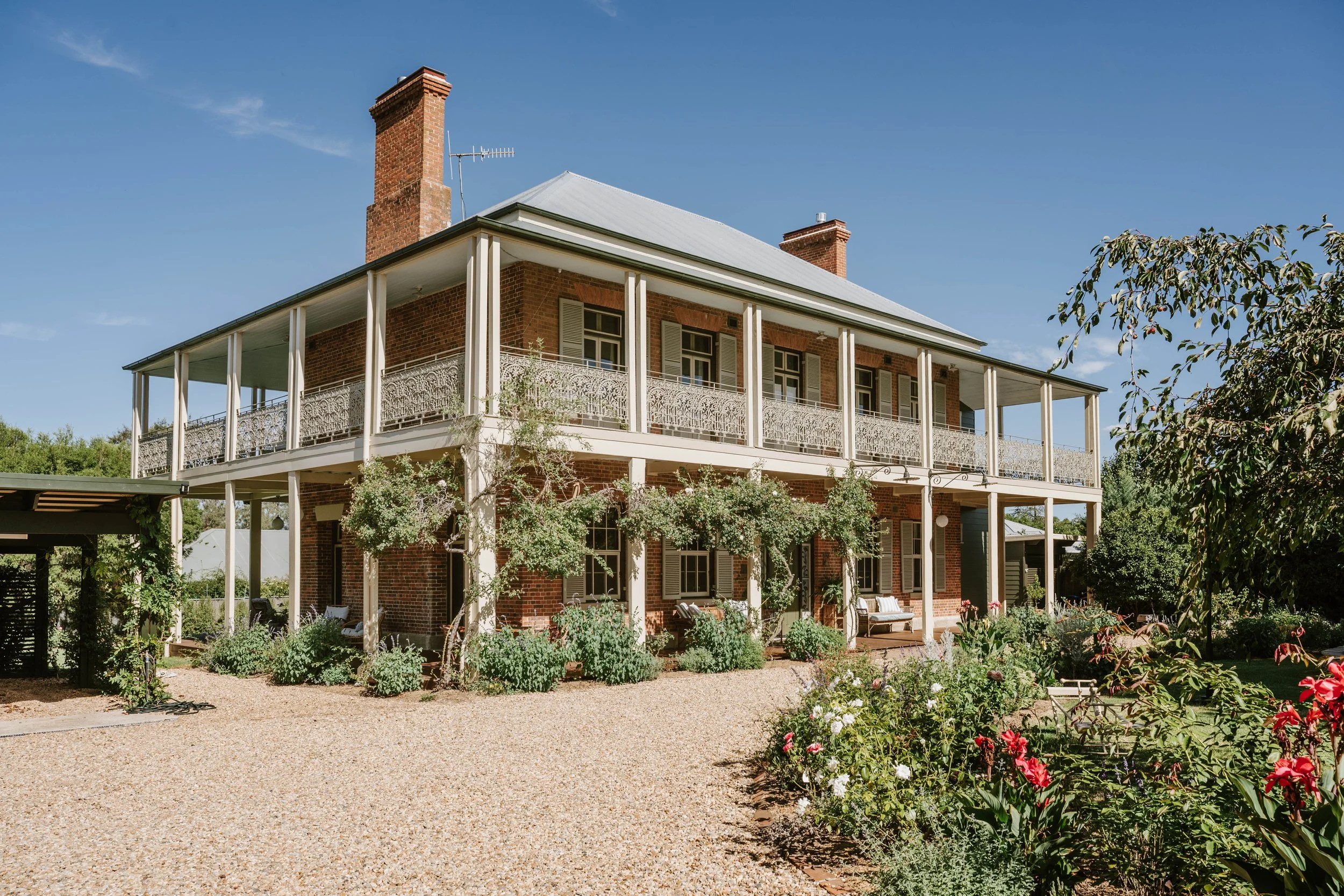
Bleak House is one of Mudgee's oldest and most recognised properties. Our restoration of it won Best Historic Restoration over $2 million at the 2025 Master Builders Association Western Region Excellence in Building Awards, and was runner-up for Best Historical House Restoration at the 2025 NSW Master Builders Excellence in Housing and Pool Awards.
In the same year Callander Constructions was named Residential Builder of the Year for the Western Region.


METHOD
How we approach a restoration
Assessment
We start by looking properly at the existing building. What’s original, what’s been added over time, what’s structural and what’s simply showing its age. This gives us a much better idea of what needs to be repaired, replaced or left alone before we start designing the work.
Research and documentation
We look at the history of the building, previous additions and alterations, and what’s worth retaining or recovering. If the property is heritage listed or within a heritage conservation area, we also work through the relevant controls early so they can inform the design.
Approvals
Heritage properties can have additional planning and approval requirements. We prepare and coordinate the required documentation and work with council, consultants and heritage advisers where needed.
Restoration
Where original materials and details can reasonably be retained or repaired, that’s generally our preference. Where something needs to be replaced, we look carefully at the material, profile, proportions and detailing so the new work sits properly with what’s already there.
New work
Not everything new needs to pretend it’s old. Additions, kitchens, bathrooms and modern services can be clearly contemporary while still working with the original house. The important part is getting the relationship between the old and new right.
SCOPE
What we work on

BUDGET
What it costs
Restoration work naturally comes with some unknowns. You can assess a building carefully upfront, but you won’t always know what’s behind a wall, under a floor or inside an existing structure until work begins.
We do as much investigation as we can early, identify the areas of risk and make allowances clear from the outset. If something unexpected does come up once work starts, we’ll explain what we’ve found, what it means for the project and the cost before deciding how to proceed.
Frequently asked questions
-
More than most people assume, and less than some hope. The listing sets out what has significance and what does not. We read it, get a heritage adviser involved where needed, and tell you what is realistic before you fall in love with a plan that cannot be approved.
-
Usually. Salvaged brick, matched timber profiles, period-appropriate hardware and traditional techniques are all part of the work. Where a genuine match is not available we will tell you and put the options in front of you.
-
Yes, and it’s often the best outcome. A well-designed contemporary addition can sit comfortably alongside the original house without trying to imitate it.
-
It depends on the scope. Heritage projects can have a longer lead time due to specialist consultants, reports and council requirements. Once construction starts, the biggest unknown is usually what we uncover during demolition, which can affect both the scope and timeframe. Once we understand the property and proposed works, we can give you a much clearer idea of the likely timeframe.
NEXT STEP
Talk to us about your project
Send us the address and, if you have it, the heritage listing. We will tell you what we think it needs.