
Why the cheapest quote is usually the most expensive
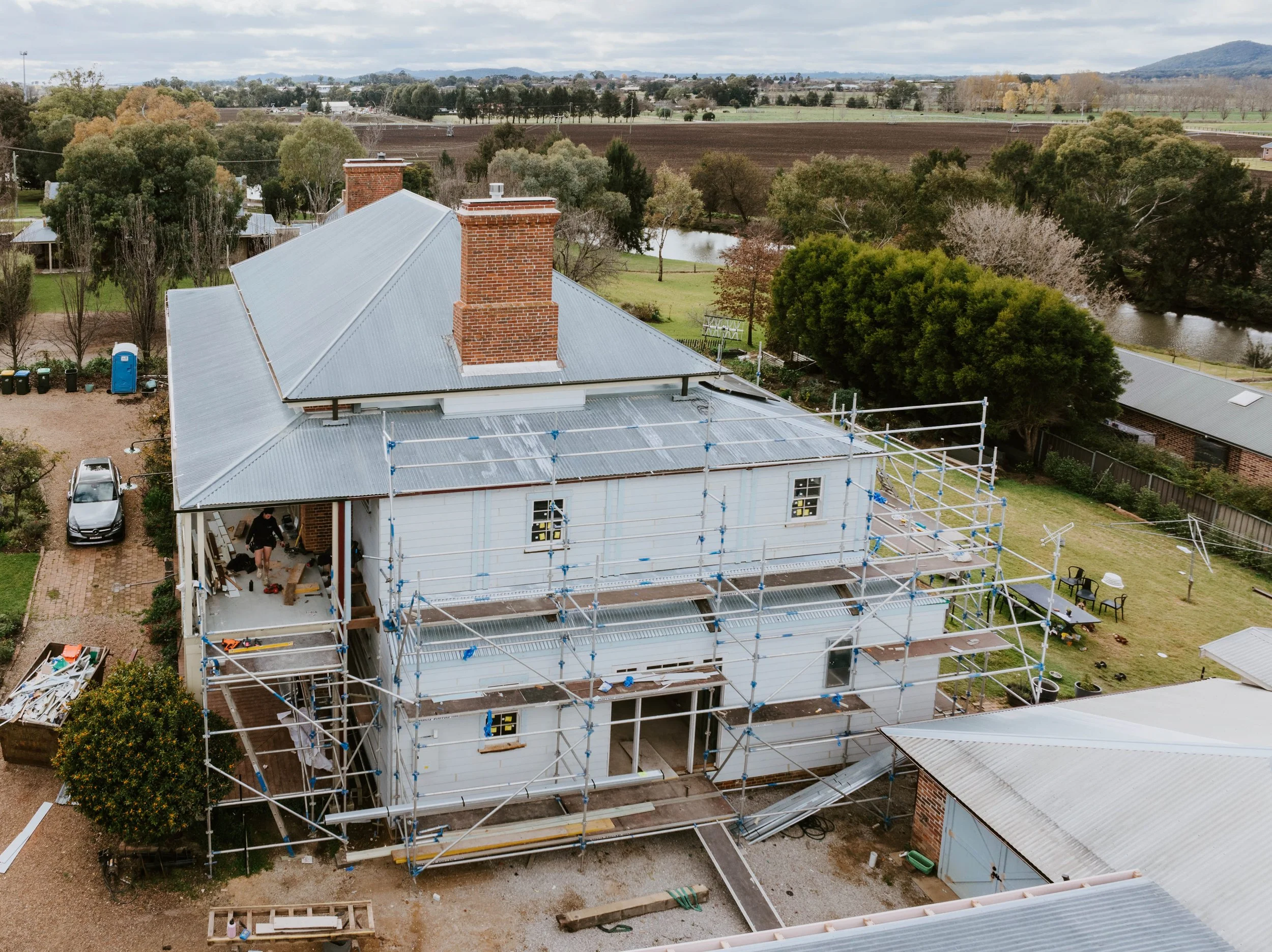
You've got three quotes for the same house and the numbers are a long way apart. It's a confusing spot to be in. Most people tend to think that one builder is expensive and another one is good value, and usually that isn't quite what's going on at all.
Here's what's more likely. Three people have read the same incomplete set of drawings, and each has made their own call on everything the drawings didn't say. So the cheapest quote is rarely the cheapest house. It's usually the quote with the most assumptions in it, and every one of those is a decision left for later, once you've signed and the slab is booked.
None of which means you can't compare them. It just means the totals aren't where you start.
Why three quotes on the same house come back so far apart
A quote is a price for a defined scope of work. If the scope isn't defined, there's only so much the price can tell you.
Think about what a builder is actually handed. A concept plan, or a set of DA drawings, and a question about cost. There are hundreds of things those drawings don't say. What the windows are made of. Whether the flooring is tiled or timber. How the site drains. What happens where the driveway meets the slab. Whether the ceilings are square set or corniced. Every builder pricing that job has to make a call on each one, and every call has a number attached to it.
NSW Fair Trading puts it plainly. If you don't define your requirements precisely, quotes may only reflect the cheapest available products. That's not a warning about dishonest builders. It's a description of what happens when a price is asked for before the decisions have been made.
So the gap between three quotes often isn't a gap in margin at all. It's a gap in what each builder pictured when they read your plans.
Provisional sums and prime cost items, in plain terms
These two bits of contract language are pretty important; however, plenty of people sign a building contract without ever having had them clearly explained.
A prime cost item is an allowance for an item. It covers the supply of something you haven't chosen yet, such as tapware, a cooktop, floor tiles or a bath. Supply only, not installation.
A provisional sum is an allowance for a job. It covers work that can't be priced precisely at the time of signing, where both the materials and the labour are unknown. Site works, retaining, a driveway or a landscaping package usually sit here.
Both are legitimate ways to deal with work that isn't fully resolved yet, and most contracts contain some of each.
What matters is how the adjustment works. Come in under the allowance and the difference is credited back to you. Come in over and it's added to the contract price, usually with the builder's margin applied to the difference. That margin isn't set by law in NSW, it's whatever your contract says it is, and in some standard contracts it defaults to a set percentage if the schedule is left blank. Ask your solicitor to show you where that clause sits before you sign.
This is often where a lower quote is sitting. An allowance of $8,000 for a kitchen isn't a lie. It's just a number that can move, and if it moves, it usually moves one way.
The way through it is simple enough. Agree on the quality, the standards and the finishes in writing before anyone prices anything. Two builders can both quote a kitchen completely honestly and be picturing two completely different kitchens.
What a complete set of documents does to a quote
The difference between a rough number and a real one is documentation. That's most of it.
A construction set isn't the same thing as a DA set. A DA set gets you approval. A construction set gets you a price you can rely on. It generally includes the architectural drawings at construction detail, the structural engineering, the soil report and site classification, a specification and schedule of finishes, joinery drawings, the electrical layout, the window schedule, the site and drainage plan, and the energy assessment.
When every builder pricing your house is reading the same complete set, the quotes come back a lot closer together, because there's much less left to guess at. What you’re then comparing are the differences between builders: how they're staffed, what their trades charge, how much work they've got on.
That's the comparison you actually wanted in the first place.
There's a bigger point also that you need to be aware of. Most problems on a build don't start on site. They start months earlier, in a decision made too quickly or without the full picture, and they show up as a variation later, when the fix is expensive and the good options have gone.
A lot of the real work in building happens well before the first shovel goes in. Reading between the lines of a set of plans. Knowing how a material is going to behave in ten years. Picking up the details that will matter long after the keys are handed over.
That's what a quote is really measuring. A price given quickly, off thin information, is a price that hasn't had any of that thinking done to it. And you pay for the thinking either way. Up front in the documentation, or later in variations.
How we go about it: we'll give you a realistic indication of cost early, once we understand your site and what you want to build, and we keep costing alongside the design so you always know where the budget is sitting as decisions get made. If you've already got plans from an architect or a designer, we're happy to start there.
The exclusions worth reading first
Read the exclusions before you read the price. They're usually at the back, and often they're the most useful page in the whole document.
Here's what's commonly excluded. None of it stops being your cost just because it's not in the quote:
Site costs, excavation and rock removal
Retaining walls and site levelling
Driveway and crossover
Service connections and any line extension
Council contributions, levies and approval fees
Landscaping, fencing, letterbox and clothesline
Floor coverings, window furnishings and painting
Anything described as "by owner"
Fair Trading names subsurface rock as a common trigger for unexpected cost, and on the rural blocks around here it can come up a fair bit. If a quote says nothing about rock, it hasn't been priced for it.
How to compare quotes line by line
Put them next to each other and work down.
Start with the inclusions rather than the totals. Find the same item on all three and check it really is the same item. Then look at each allowance and ask yourself whether it's realistic for what you actually want, because an allowance that's too low is a deferred cost, not a saving. Read every exclusion list in full and add the excluded items back in at your own estimate, on all three, so you're comparing finished houses instead of partial ones.
Then have a look at the contract mechanics. Is the deposit within the legal limit? Does the contract state a price, or warn that the price isn't fixed? If it can move, is it explained how? Do variations have to be in writing and signed by both of you? Your solicitor will read the contract before you sign, and this is the sort of thing they'll be looking for.
Then, and only then, look at the bottom line.
What happens if the builder doesn't finish
Nobody enjoys thinking about this part, but it's worth five minutes.
For residential work over $20,000, home building compensation cover is required, and the builder has to give you the certificate before taking any money at all, deposit included. Be clear on what that cover actually is, though. It pays out only if the builder dies, disappears, becomes insolvent, or has their licence suspended for failing to comply with a money order. It's last resort insurance, not a warranty you can call on when a job is going badly.
For a bit of context, ASIC reported that construction made up 27 per cent of companies entering external administration for the first time in 2023-24. That's 2,975 companies, the largest share of any industry. So checking that a licence is current, and that you're comfortable with the business behind it, is a fair part of comparing quotes.
The good news is there's more protection in NSW than most first-time builders realise, and none of it costs you anything to use. The questions at the end of this article cover the deposit cap, the cooling off period, the statutory warranties and the licence check.
What a low number usually means
Fair Trading lists an extremely low quote compared with others as a warning sign in its own consumer guidance, alongside pressure to sign quickly and a suggestion that you take out an owner builder permit while someone else organises the work. The latter can remove many of the protections you would otherwise have when engaging a licensed builder.
A quote well below the others can mean a few different things. Something's been left out of the scope. An allowance has been set at a number the work can't be done for. The documentation was thin enough that the builder priced a simpler house than the one you're picturing. Or the work has been priced to win rather than to build, which tends to show up later as variations and delays.
None of which makes the dearest quote the right one, either. It just means the number on its own doesn't tell you much until the scope behind it is the same.
A note on variations
No amount of documentation makes a build completely predictable, so it's worth asking any builder how they handle the parts that move.
Here's how we do it. We aim to quote as accurately as we can from the beginning, and to sort out as much as possible before construction starts, so there are fewer surprises and fewer avoidable variations once we're on site. Things can still change, of course. You might decide to do something differently partway through, or we might uncover something nobody could reasonably have known about beforehand. If a variation is needed, we'll explain what's changed, why, and what it means for the cost before the work goes ahead.
Thinking about building?
If you're at the stage of collecting numbers, have a chat with us before you sign anything. No pressure either way. We're happy to talk through what you're planning, how we'd go about it, and what the documentation needs to look like for a price to actually mean something.
Book a call with the team and talk through your plans.
Questions people ask
-
A prime cost item is an allowance for the supply of something you haven't selected yet, such as tapware, tiles or appliances, and it covers supply only. A provisional sum is an allowance for a whole piece of work including labour, where it can't be priced precisely at the time of signing, such as site works or a driveway. Both adjust up or down against the actual cost, and where the actual cost is higher the builder's margin is generally applied to the difference. Your contract sets out how the adjustment works, so it's worth having your solicitor walk you through those clauses.
-
Yes, in defined circumstances. Prime cost and provisional sum adjustments, and variations you've agreed to in writing, both move the contract price. A fixed price contract fixes the price of the defined scope of work, not the price of a house you've since changed.
-
Yes. A NSW residential building contract must contain a clause stating that any agreement to vary the contract, or the plans and specifications, has to be in writing and signed by both the homeowner and the contractor.
-
Search the licence at verify.licence.nsw.gov.au. It shows the licence number and categories, the expiry date, any cancellation or suspension under the Home Building Act 1989, public warnings, formal cautions, penalty notices and prosecution outcomes.
-
Six years for major defects and two years for everything else, running from completion of the work. If a defect shows up in the last six months of either period, there's a further six months to act on it. These warranties apply regardless of what the contract says.
-
The long service levy is a 0.25 per cent levy on building and construction work valued at $250,000 or more including GST. The money goes into a central fund used to provide long service benefits to eligible workers in the NSW building and construction industry, recognising that many tradespeople move between employers and projects throughout their careers.
The levy is generally paid by the owner before construction starts, and a council or certifier can’t release a construction certificate or complying development certificate until it has been paid. On a $900,000 build, the levy is $2,250. It’s worth checking whether this cost has been included in your builder’s price or needs to be allowed for separately.
-
Yes. For residential building work over $20,000 there are five clear business days after signing to change your mind. A contract for work over $5,000 including GST has to be in writing.
-
Ask each builder what their allowances are based on, then go and price a few of those items yourself. Half an hour in a showroom will tell you whether the number in the quote is a real number or a placeholder, and an unrealistic allowance is a deferred cost rather than a saving.
-
Ten per cent of the contract price.
Callander Constructions builds custom homes, renovations and heritage restorations across Mudgee and the Central West. We're just as happy building from plans someone else has drawn as from our own, so come and say hello either way. This is general information rather than advice on your project, so have your solicitor read anything before you sign it.
